
Comprehensive Guide to Floor Stripping and Waxing
Table Of Content
- Introduction to Floor Stripping and Waxing
- Common Mistakes in Floor Stripping and Waxing
- Step-by-Step Guide to Stripping Floors
- Cost Considerations for Commercial Floor Care
- Safety Precautions During Floor Stripping
- Comparison of Different Floor Wax Types
- Maintenance Tips Post-Stripping
- Environmental Considerations in Floor Care
Introduction
Floor stripping and waxing is an essential maintenance service for commercial spaces. It rejuvenates floors, enhances their appearance, and extends their lifespan. This guide provides a comprehensive overview of the entire process, including detailed instructions and necessary safety precautions, ensuring that facility maintenance personnel can execute these tasks with confidence.
Introduction to Floor Stripping and Waxing

Floor stripping and waxing is a crucial maintenance procedure for all types of commercial flooring. Over time, floors accumulate layers of dirt, grime, and old wax, which can dull their appearance and diminish their protective qualities. Floor stripping involves the thorough removal of this old layer, restoring the flooring to its original condition and preparing it for the application of a fresh coat of wax. This process not only improves the aesthetic appeal of the floor but also extends its lifespan and functionality.
Properly executed floor waxing provides a shiny, protective surface that safeguards the floor against spills, stains, and wear. Wax acts as a barrier, resisting dirt and moisture, which is essential in high-traffic areas typically found in commercial settings such as offices, schools, and retail spaces. The choice of the right wax type is vital; different floors demand specific products that accommodate their unique structures and needs.
To achieve the best results, it’s important to understand the techniques involved in both stripping and waxing. For instance, using the correct stripping solution and machinery is essential to avoid damaging the flooring underneath. Likewise, evenly applying the wax and allowing it to cure properly can make a significant difference in the floor’s sheen and protective qualities.
In addition to these techniques, incorporating visually informative elements such as diagrams or visual guides can greatly enhance readers’ understanding of the process. Furthermore, for eco-conscious businesses or individuals looking to reduce their environmental impact, affiliate links to eco-friendly stripping and waxing products can provide convenient purchasing options while promoting a greener approach to floor care.
In the following sections, we will delve into common mistakes made during floor stripping and waxing, step-by-step guides for effective execution, cost considerations, safety precautions, and the various types of wax available, along with maintenance tips and environmental factors to consider. For a comprehensive look at maintaining cleanliness in commercial spaces, check out our Comprehensive Guide to Janitorial Services.
Common Mistakes in Floor Stripping and Waxing
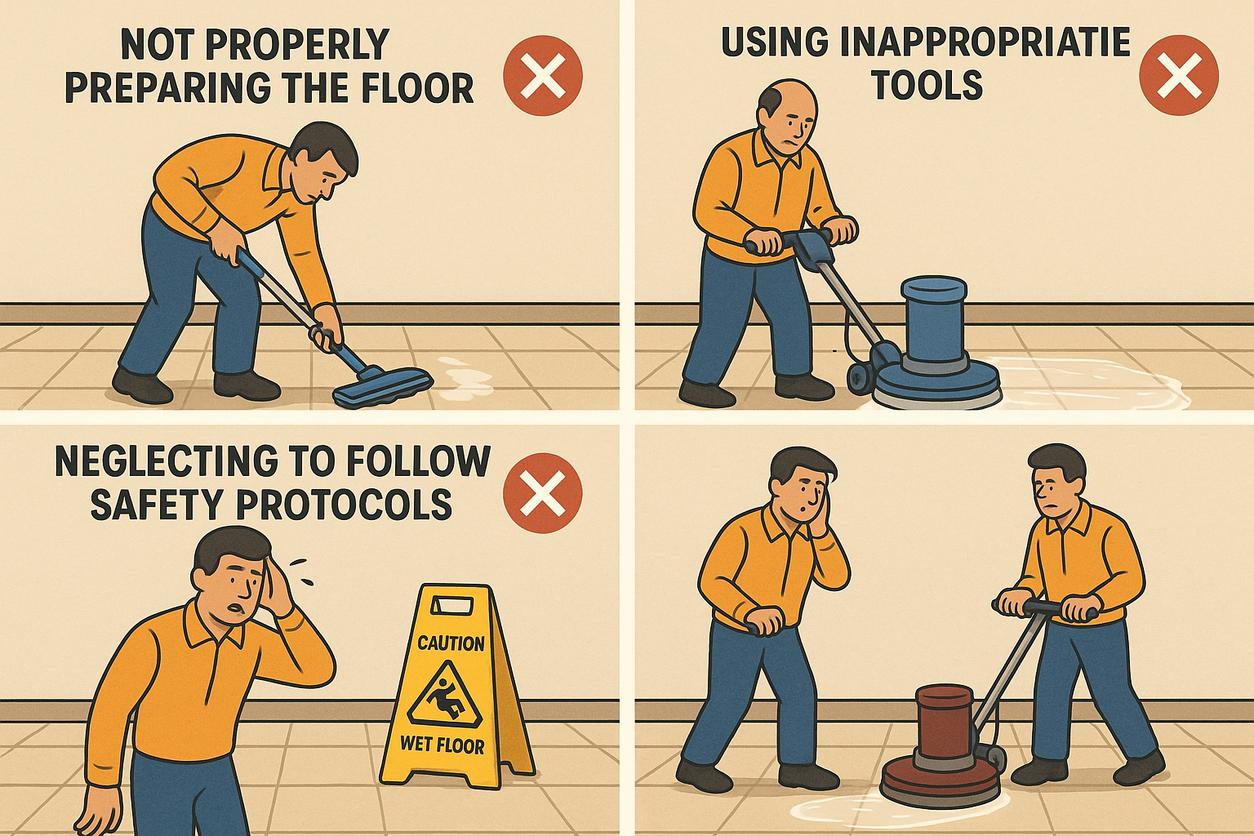
Floor stripping and waxing are essential processes for maintaining the beauty and longevity of your floors. However, many professionals and DIY enthusiasts alike often fall into common traps that can lead to unsatisfactory results. Understanding these pitfalls is crucial for achieving the best possible finish and extending the life of your flooring.
1. Improper Preparation
One of the most significant mistakes in the floor stripping and waxing process is inadequate preparation. Before starting, it is vital to thoroughly clean the floor to remove dirt, dust, and grease that can interfere with adhesion. A well-prepared surface ensures that the wax adheres properly, resulting in a smoother, glossier finish.
2. Using Inappropriate Tools
The tools you use can make a substantial difference in the outcome of the job. Using incorrect or worn-out tools, such as dull scrapers or poor-quality mops, can lead to inefficient stripping and uneven waxing. Always select the right equipment for the specific floor type and condition, and consider investing in professional-grade tools for the best results. For more insights on getting the best cleaning tools, check out our article on Warehouse Cleaning Hacks.
3. Neglecting Safety Protocols
Safety should always be a priority during floor care. Many people overlook this aspect, leading to accidents and injuries. Common safety mistakes include failing to wear personal protective equipment (PPE), such as gloves and masks, and neglecting to ensure proper ventilation in the working area. Always follow safety guidelines to protect yourself and others while working with potentially hazardous chemicals.
4. Skipping the Test Patch
Before applying any stripping solution or wax, it is a good practice to perform a small test patch. Skipping this step can result in unexpected reactions, such as discoloration or damage to the floor. Testing allows you to verify compatibility and adjust your approach if necessary.
5. Rushing the Process
Patience is key in floor stripping and waxing. Rushing through the job can lead to incomplete stripping, uneven wax application, and poor final results. Allow adequate time for each step, including drying times, to ensure the highest quality finish.
Identifying and addressing these common mistakes can save you time and money while delivering stunning results. By employing proper techniques, using the right tools, and adhering to safety standards, you’ll achieve a professional-quality floor finish that enhances the appeal and durability of your flooring.
For further enhancement of your floor care routine, we recommend checking out our affiliate links for eco-friendly products that are both effective and safe for the environment.
Step-by-Step Guide to Stripping Floors
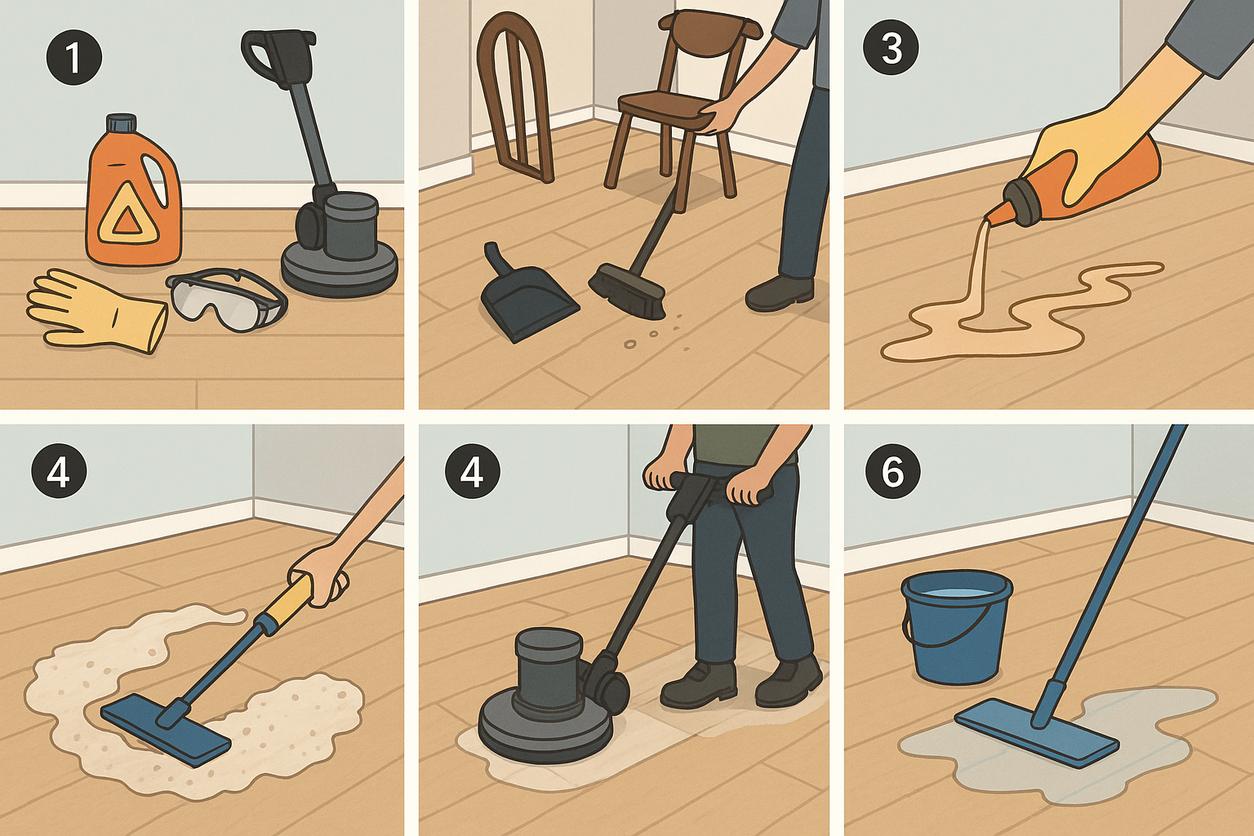
Stripping floors is an essential part of maintaining hardwood, vinyl, or tile surfaces in both residential and commercial settings. This process not only removes old wax and dirt but also prepares the floor for a fresh coat of wax, enhancing its appearance and longevity. In this guide, we will provide a detailed step-by-step approach to ensure a successful floor stripping process, while highlighting best practices and safety measures.
Step 1: Gather Your Supplies
Before you begin, gather all necessary supplies to ensure a smooth process. You will need:
- Stripping Solution: An effective floor stripping solution that can break down old wax.
- Floor Buffer: A buffer equipped with a stripping pad to help remove the wax layer.
- Mop and Bucket: For rinsing and cleaning up after stripping.
- Safety Gear: Including gloves, goggles, and a mask to protect against harmful fumes.
Tip: Consider using eco-friendly stripping solutions to minimize your environmental impact. Review our recommended affiliate links below for some options.
Step 2: Prepare the Area
Preparation is key in the floor stripping process. Move furniture and any obstacles from the area you will be working on. Sweep or vacuum the floor to remove dust and debris. This ensures that the stripping solution can work effectively without obstruction.
Step 3: Apply the Stripping Solution
Once your area is clear, apply the stripping solution evenly across the floor. You can use a mop or a brush to ensure that the product covers the entire surface. Make sure to follow the manufacturer’s instructions regarding the amount to apply; over-saturating the floor can lead to longer drying times.
Step 4: Allow the Solution to Dwell
Let the stripping solution sit for the recommended dwell time, which usually ranges from 5 to 15 minutes, depending on the product. This step is critical as it allows the solution to penetrate and break down the old wax effectively.
Step 5: Use a Floor Buffer
After the dwell time, it’s time to use the floor buffer. Start at one end of the room and work your way across, moving in a smooth, even motion. The buffer will aid in stripping away the old wax, revealing the cleaner surface beneath.
Diagram Idea: Consider including a diagram illustrating the proper technique for using a floor buffer, highlighting the direction of movement.
Step 6: Rinse the Floor Thoroughly
After buffing, it’s important to rinse the floor completely to remove any residual stripping solution. Use a mop and clean water to go over the entire surface. Make sure not to leave any solution behind, as it may affect the adhesion of the new wax.
Step 7: Allow the Floor to Dry
Once you have rinsed the floor, allow it to dry completely before applying new wax. Depending on the humidity levels and ventilation, this could take a couple of hours. It’s crucial to ensure a dry surface to achieve the best results when waxing.
Additional Tips
- Visual Guides: Incorporate step-by-step visuals to guide users through each phase of the process. Consider creating a photo gallery or video link for a more engaging experience.
- Eco-friendly Products: Providing affiliate links for eco-friendly products not only helps users make better choices but can also generate passive income for your website.
Conclusion
Stripping floors is a task that requires careful planning and execution. By following this step-by-step guide, you can restore the beauty of your floors, increase their durability, and maintain a healthier living environment. Remember to prioritize safety and consider the impact of your cleaning products on the environment. Happy stripping!
Cost Considerations for Commercial Floor Care
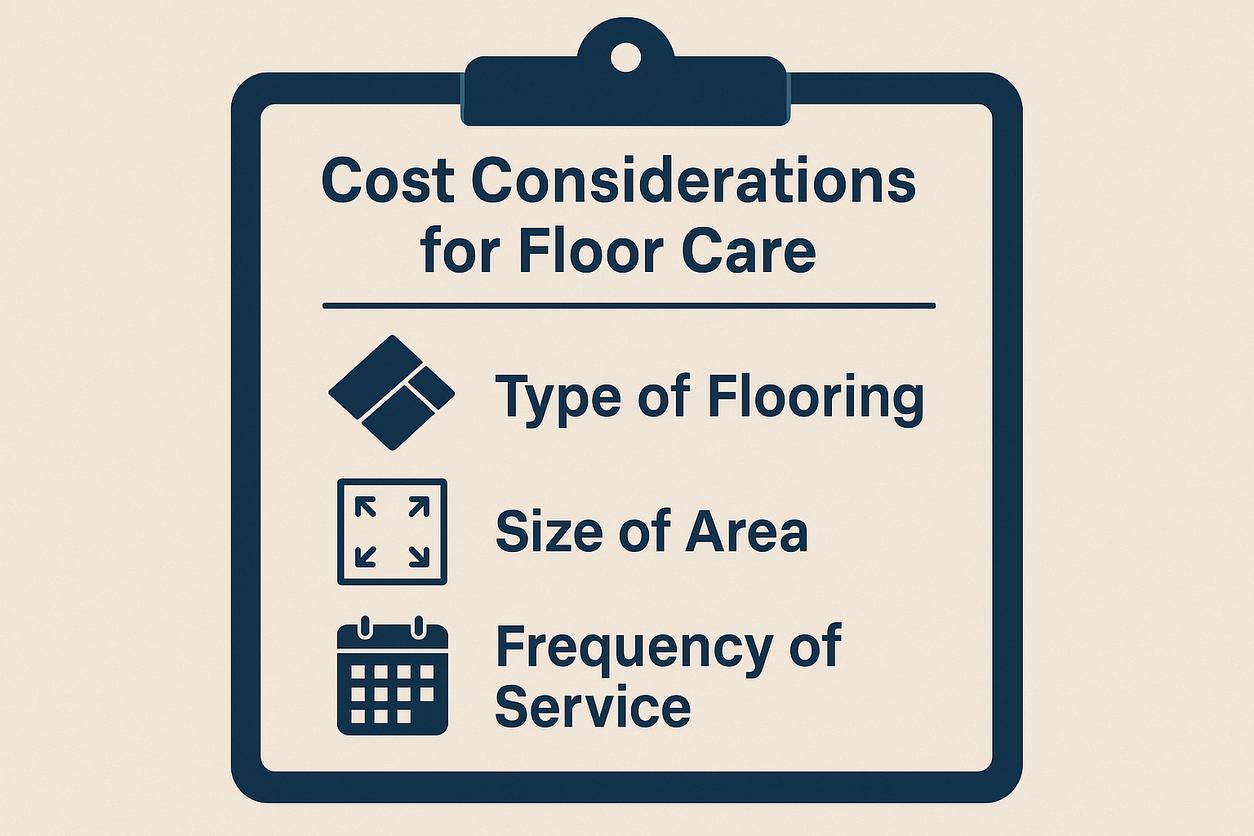
When budgeting for floor stripping and waxing services, facility managers must take into account several key factors that can significantly influence overall costs. Proper planning not only ensures financial resources are allocated effectively but also helps in optimizing the quality of the services received. Here’s a detailed breakdown of the four primary considerations:
1. Type of Flooring
The type of flooring is one of the most significant factors affecting the cost of stripping and waxing. Different materials, such as vinyl, tile, or hardwood, require varying stripping methods and products. For example, vinyl flooring is generally less expensive to maintain compared to hardwood, which may demand specialized cleaning solutions and techniques. Understanding the specific requirements of the flooring material can lead to better budgeting and selection of appropriate products.
2. Size of the Area
The size of the area to be serviced greatly impacts the cost. Larger spaces will typically require more labor hours, additional materials, and equipment to complete the job. It’s beneficial to measure the space accurately and consult with service providers to get estimates based on square footage. Budgeting for larger areas should also incorporate potential discounts that some service providers offer for extensive contracts.
3. Frequency of Service
The frequency of floor care services is another critical element. Regular maintenance can help extend the life of flooring and may ultimately be more cost-effective in preventing extensive damage that requires deep cleaning or restoration. Therefore, establishing a consistent schedule for stripping and waxing can help in managing ongoing costs. Many companies offer package deals or contracts for routine services, which can prove to be a more economical choice.
4. Labor and Product Costs
Understanding the costs associated with labor and the products used is essential. Labor costs can fluctuate based on the skill level of the workers and the geographical location of the service provider. Similarly, the type of wax or stripping solution chosen can vary in price significantly, with eco-friendly options often coming at a premium. Incorporating affiliate links to trusted vendors of eco-friendly products can not only enhance the article but also provide readers with accessible purchasing options.
For more insights on effective maintenance strategies, check out our article on Comprehensive Guide to Janitorial Services which discusses overall cost-effective cleaning solutions for commercial environments.
Conclusion
By carefully considering the type of flooring, size of the area, frequency of service, and labor and product costs, facility managers can effectively budget for comprehensive floor care. Familiarity with these considerations will empower decision-makers to explore cost-saving measures without compromising the quality of the maintenance services.
Visual Aids and Resources
Incorporating diagrams and visual guides illustrating the costs associated with different flooring types and options can be beneficial. These visuals can provide clarity and enhance the understanding of readers. Furthermore, offering affiliate links for eco-friendly products will not only guide readers towards sustainable choices but can also provide a revenue stream through affiliation.
Safety Precautions During Floor Stripping
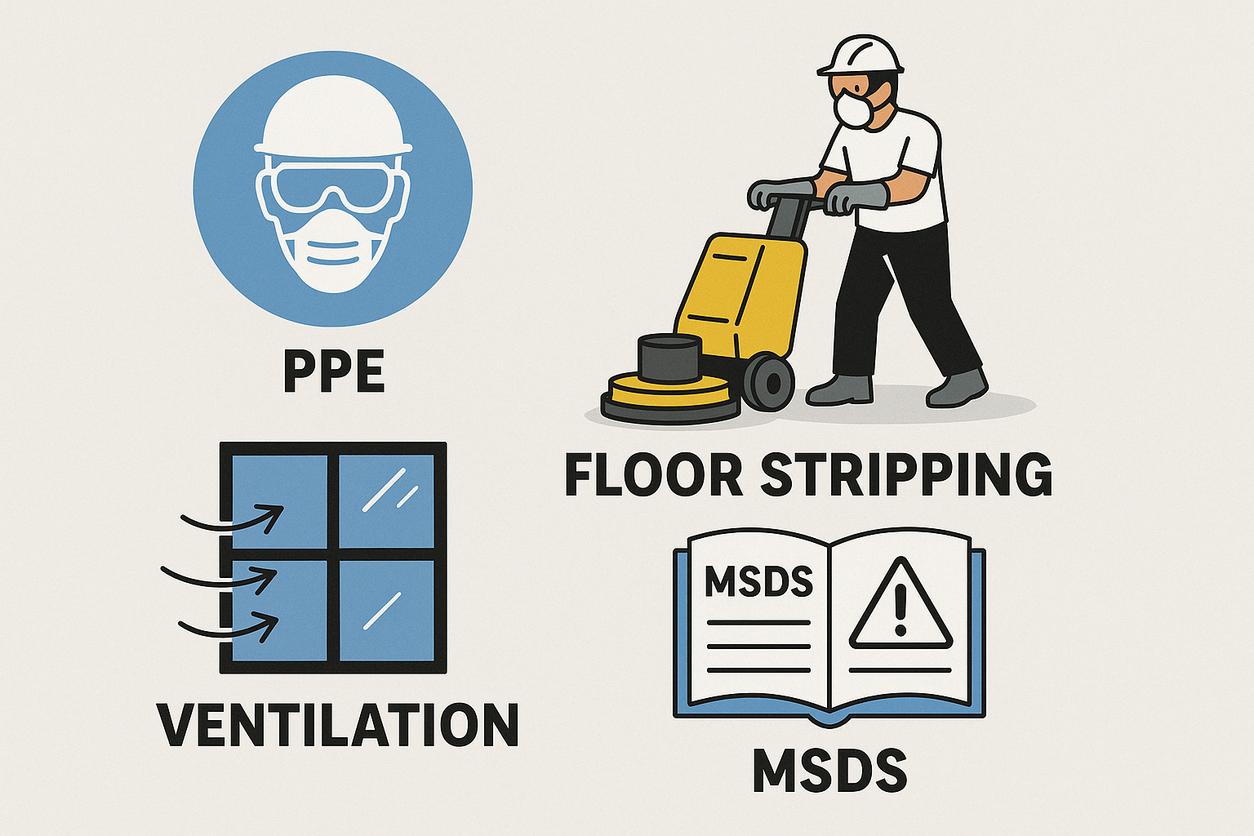
Floor stripping is a critical process that helps maintain the appearance and longevity of commercial flooring. However, it also involves certain risks due to the chemicals used and the equipment operated. To ensure a safe working environment, it’s essential to follow specific safety precautions.
1. Personal Protective Equipment (PPE): Before starting any floor stripping project, it’s crucial to wear appropriate personal protective equipment (PPE). This includes:
- Gloves: Protect your hands from harsh chemicals and potential injuries from equipment.
- Masks: A respirator is recommended to prevent inhalation of fumes from stripping agents, especially in poorly ventilated areas.
- Goggles: Shield your eyes from splashes and debris during the stripping process.
2. Ventilation: Adequate ventilation is necessary when using chemical solutions to minimize inhalation risks. Open windows and use fans to promote airflow in the area where you are working. Consider using a fume extractor for additional safety.
3. Understanding Material Safety Data Sheets (MSDS): Familiarize yourself with the Material Safety Data Sheets (MSDS) of all products before use. These sheets provide vital information about the chemicals involved, including:
- Health risks
- Proper handling techniques
- First aid measures in case of exposure
4. Equipment Safety: When operating heavy machinery such as floor scrubbers or buffers, always follow the manufacturer’s instructions and safety guidelines. Ensure that the equipment is in good working order to prevent accidents.
5. Spill Management: Prepare for potential spills by having absorbent materials on hand to contain and clean up any leaks or spills. Make sure to dispose of hazardous waste according to local regulations.
By taking these safety precautions, you can significantly reduce the risks associated with floor stripping and create a safer working environment. Incorporating safety into your process not only protects you but also enhances the overall effectiveness of your floor care regimen.
For those interested in eco-friendly options, consider using non-toxic strippers and biodegradable waxes. Affiliate links to these products can be found here to guide your choices. Additionally, incorporating safety measures aligns well with the comprehensive strategies discussed in our guide on janitorial services for maintaining high standards in commercial cleaning.
Comparison of Different Floor Wax Types
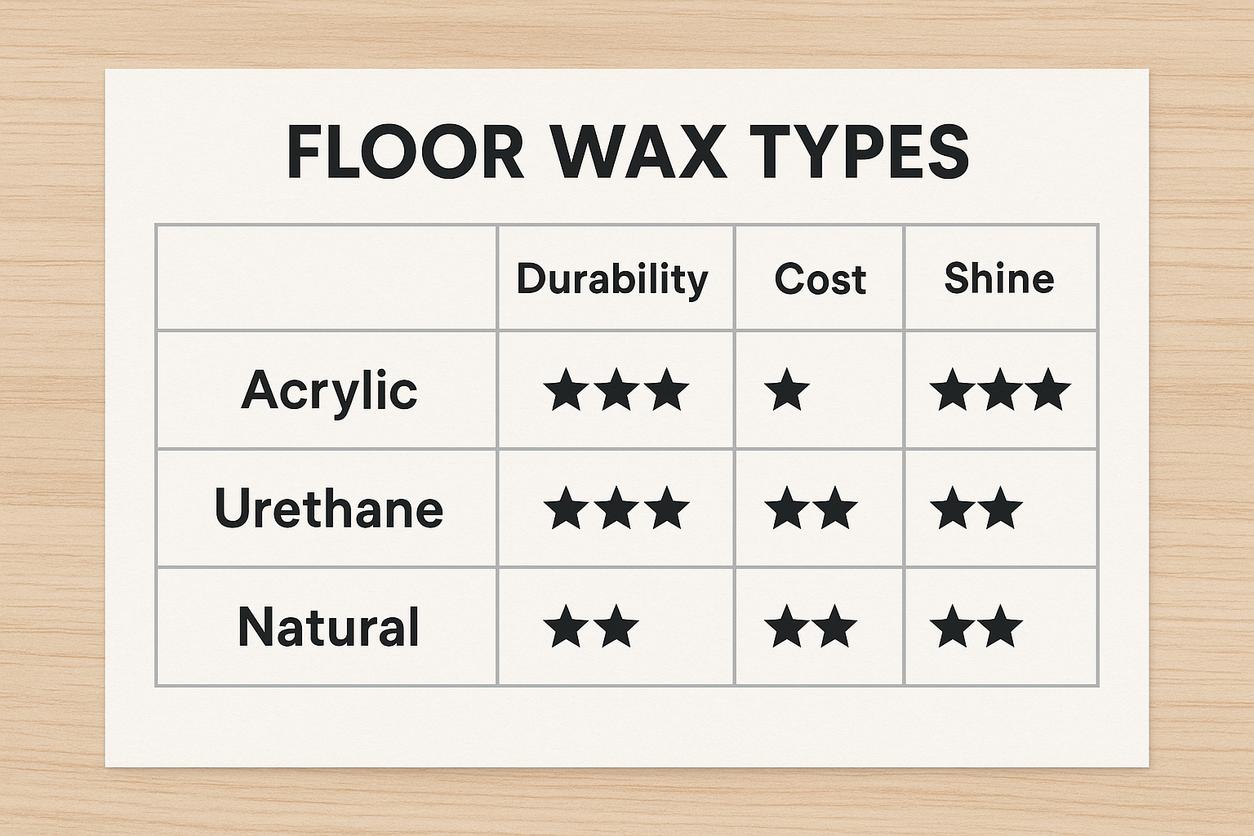
When it comes to maintaining the aesthetic and protective qualities of floors, choosing the right type of wax is crucial. Understanding the various types of floor wax available can help professionals and property managers make informed decisions tailored to their specific flooring needs. Here, we will compare three common types of floor wax: acrylic, urethane, and natural waxes.
Acrylic Wax
Acrylic wax is a popular choice due to its affordability and ease of application. It provides a high-gloss finish and is suitable for a variety of surfaces, including vinyl and linoleum. Acrylic wax tends to be less durable than urethane options and requires more frequent reapplication, usually every 6 to 12 months. However, it is great for homes and low-traffic areas where a shiny appearance is desired without the heavy-duty performance.
Urethane Wax
For those seeking durability, urethane wax is the answer. This type of wax is known for its strength and resistance to scuffs, scratches, and moisture. It offers a deep shine and extends the life of floor surfaces, making it ideal for high-traffic commercial environments. Despite its higher cost, the longevity and reduced maintenance frequency make it a cost-effective choice over time. Urethane wax can last between 1 to 5 years with proper care, significantly outperforming its acrylic counterpart in durability.
Natural Waxes
Natural waxes are made from renewable resources and are often preferred for their eco-friendliness. They provide a warm, natural luster and are easy to apply but require more upkeep to maintain their protective qualities. Typically, they are less durable than acrylic and urethane options, making them more suitable for low-traffic areas or specific applications where a natural look is favored, such as in residential settings.
Comparison Summary
| Type | Durability | Cost | Shine | Application Frequency |
|---|---|---|---|---|
| Acrylic | Moderate | Low | High | Every 6-12 months |
| Urethane | High | High | Deep Shine | Every 1-5 years |
| Natural | Low | Variable | Natural Luster | Every 3-6 months |
Conclusion
Understanding the differences between floor wax types is essential for selecting the right product. Professionals should consider factors such as durability, cost, and desired shine when making their choice. Additionally, incorporating eco-friendly wax options can enhance sustainability efforts in floor care. For more information on maintaining specific types of flooring, consider exploring our article on Comprehensive Guide to Janitorial Services that discusses effective cleaning and maintenance strategies across various surfaces.
Maintenance Tips Post-Stripping
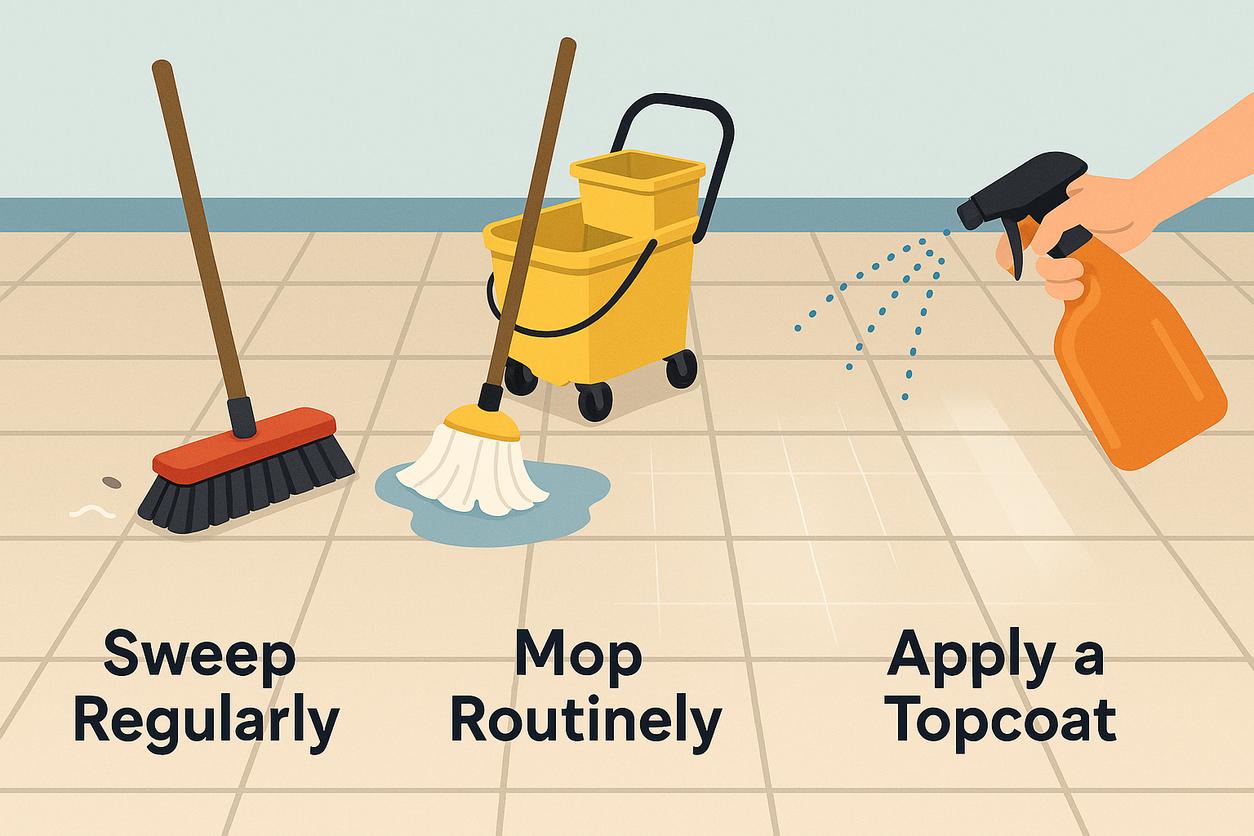
Maintaining a freshly stripped and waxed floor is crucial to ensure its longevity and appearance. Here are some essential tips to keep your floor looking its best after a professional stripping and waxing job:
- Routine Cleaning: Start by establishing a consistent cleaning routine. Sweeping and mopping should be done regularly to remove dirt and debris that can dull the floor’s shine and lead to scratches. Use a soft-bristle broom or a microfiber dust mop to gently collect dust without damaging the wax. For mopping, opt for a damp mop; excess water can harm the wax finish.
- Reapply Wax: Over time, the wax on your floor will wear down due to foot traffic and other factors. It’s recommended to reapply a fresh layer of wax every 3 to 6 months, depending on the usage of the space. This will not only enhance the shine but also create a protective layer that guards against scuffs and stains.
- Use Topcoats: Consider applying a topcoat, which can provide an extra layer of protection to the wax finish. Topcoats help resist wear and enhance the gloss of your stripped floor. Follow the manufacturer’s instructions for application to achieve the best results.
- Avoid Harsh Chemicals: When cleaning, steer clear of harsh chemicals or abrasive cleaners that can degrade the wax finish. Instead, use eco-friendly cleaning products designed specifically for waxed floors. Look for pH-neutral solutions to maintain the integrity of your protected surface.
- Visual Guides and Diagrams: Incorporating visual guides can help illustrate the best cleaning techniques and maintenance practices. Diagrams showing proper mopping techniques or outlining the steps to reapply wax can be extremely beneficial to readers.
- Eco-friendly Products: Providing affiliate links to eco-friendly cleaning products can be an excellent resource for readers committed to sustainable practices. For more information on sustainable cleaning methods, refer to our article on Warehouse Cleaning Hacks: Boost Efficiency and Safety with These Little-Known Tips.
By following these maintenance tips, you can ensure your newly stripped and waxed floors continue to shine and endure for many years. Regular care not only preserves the beauty of your floors but also maximizes your investment in professional floor care.
Environmental Considerations in Floor Care
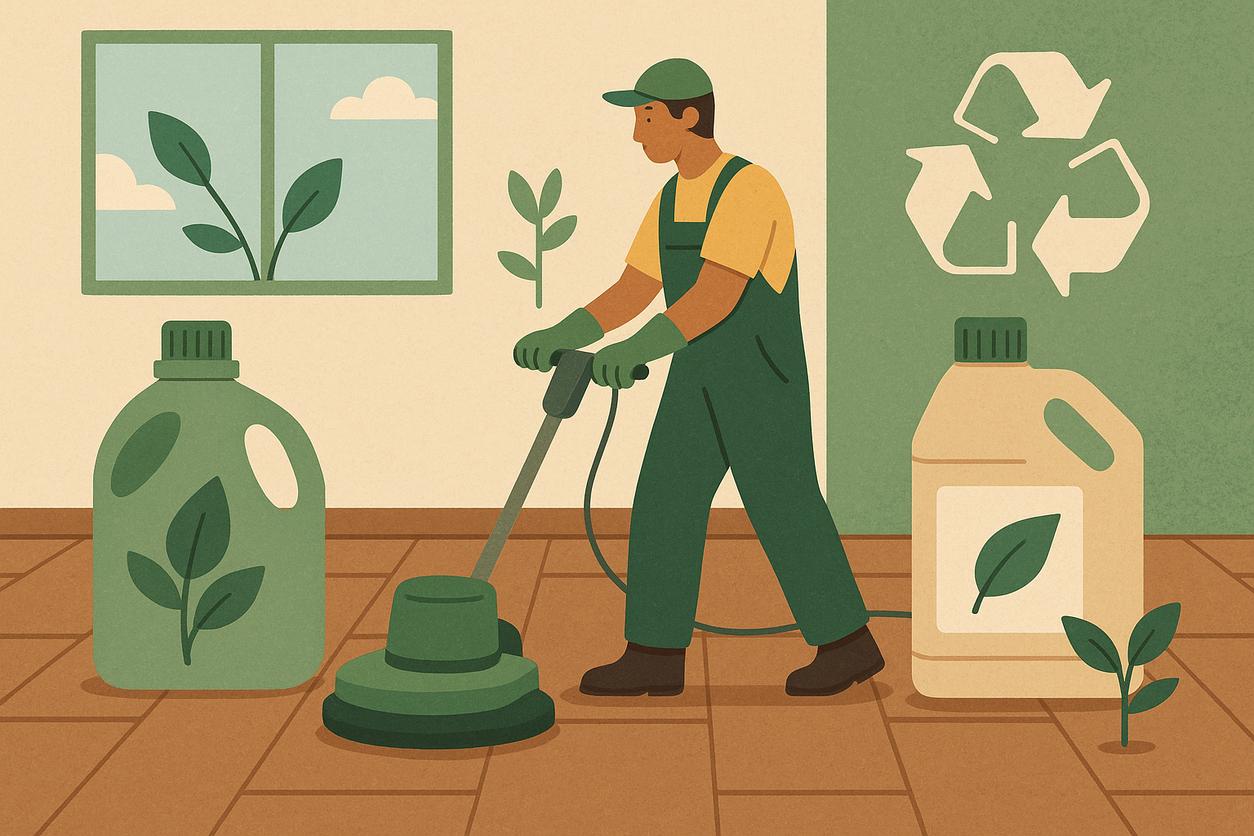
In today’s world, where environmental awareness is rising, it is essential for cleaning professionals to adopt eco-friendly products and methods in their floor care routines. Traditional floor stripping and waxing products often contain harsh chemicals that can be harmful to the environment, affecting air and water quality. By switching to biodegradable stripping solutions and sustainable waxes, businesses can significantly reduce their ecological footprint, contributing positively to the planet.
Biodegradable Stripping Solutions
Biodegradable stripping solutions are designed to break down naturally after use, minimizing their impact on the environment. These products effectively remove old wax and dirt without harming the ecosystem. Many eco-friendly stripping agents utilize natural ingredients, ensuring that harmful toxins are not released into the air or seep into the ground.
Sustainable Waxes
In addition to stripping solutions, choosing the right waxes is crucial for eco-friendly floor care. Sustainable waxes are made from renewable resources and often come from plant-based materials. These products not only protect and enhance the appearance of floors but also minimize the impact on the environment, offering a cleaner alternative to conventional waxes that may contain petrochemicals.
Appealing to Eco-Conscious Clients
Emphasizing green practices in floor care is not just a trend; it’s becoming a business necessity as more clients look for environmentally friendly options. By marketing your services as eco-conscious, you can attract a clientele that values sustainability and is willing to pay a premium for responsible cleaning practices. Providing visual guides, diagrams, and helpful resources can also enhance your service offerings and establish your credibility in the industry. For example, you can learn more about how to implement effective cleaning practices in your facility by referring to our Comprehensive Guide to Janitorial Services.
Resources and Products
To further assist our readers, we suggest including affiliate links to high-quality eco-friendly floor care products. Providing links to reputable suppliers of biodegradable stripping solutions and sustainable waxes fosters trust and makes it easier for readers to implement these green practices.
In conclusion, incorporating environmentally friendly products and practices in floor stripping and waxing not only benefits the planet but also meets the demands of a growing market of eco-aware clients. With thoughtful choices, cleaning professionals can play a significant role in promoting sustainability in their operations.
Conclusion
In conclusion, proper stripping and waxing of floors is vital for maintaining the aesthetics and durability of commercial flooring. By following the detailed guidelines and safety precautions outlined in this guide, cleaning professionals can ensure effective floor maintenance while minimizing risks and costs.




Green Clean Janitorial has been a life saver. I had tried hiring a cleaning company before and the workers would never show up, or do an awful job. Green Clean Janitorial has been excellent. They always show up on time, do an amazing job, are really friendly and helpful…I can’t recommend them highly enough.
Jackson Harper