
Restrooms are where tenants, staff, patients, students, and guests decide whether a building is actually being cared for. Green Clean Janitorial builds restroom cleaning programs around use patterns, fixture count, occupancy, supply demand, and the level of documentation your facility needs.
Tell us your restroom count, facility type, and traffic level. We respond same business day.
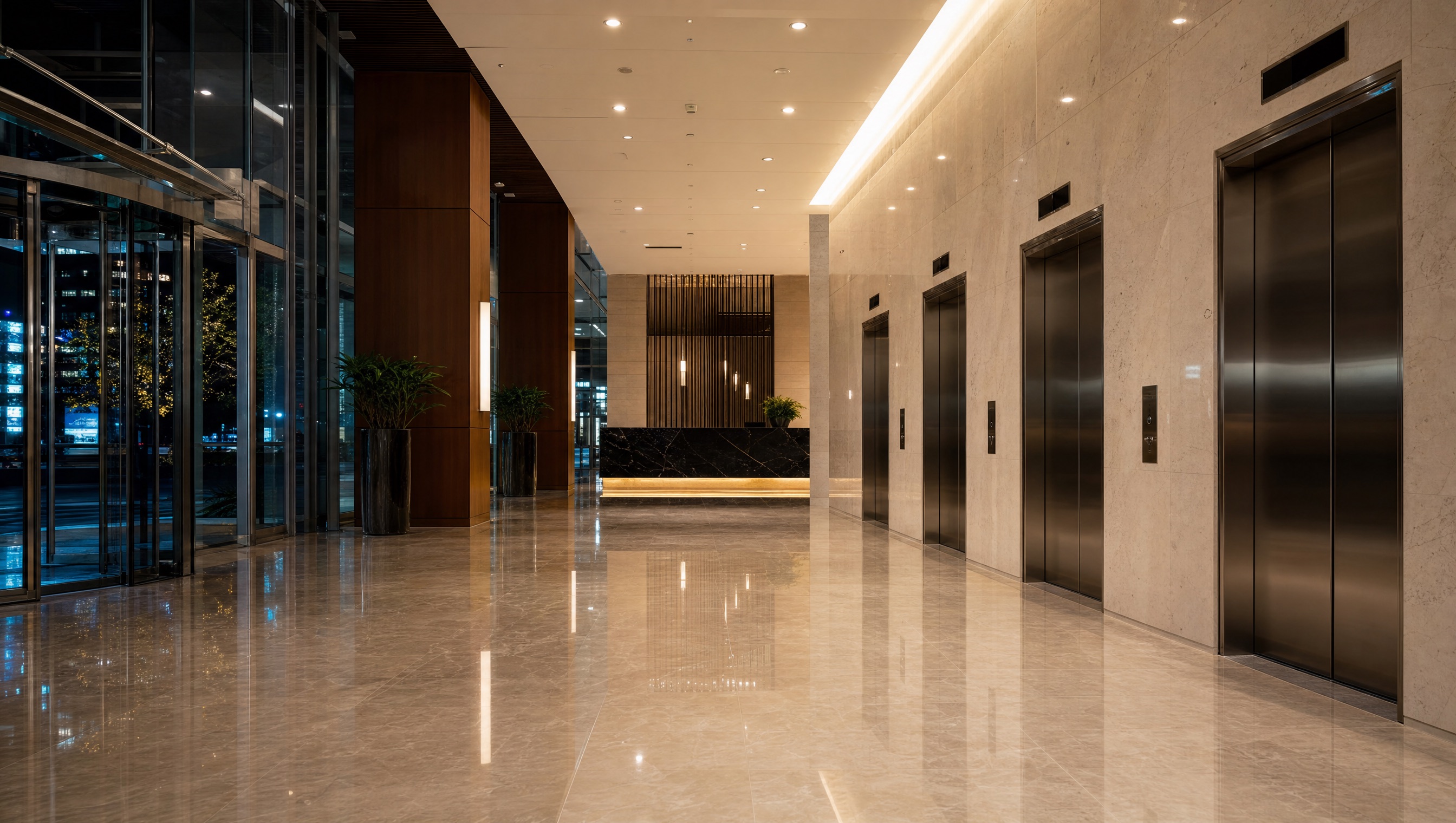
Restroom cleaning is scoped by fixture count, traffic, supply use, and risk level, not a generic nightly checklist.
Restroom condition is one of the fastest ways for a facility to lose trust. A lobby can look polished and a conference room can be reset, but if the restroom is out of paper towels, smells stale, or has residue around fixtures, visitors assume the whole building is poorly managed. That is why restroom cleaning cannot be treated as a single checkbox inside a generic janitorial contract.
A useful restroom scope defines what happens nightly, what happens during the day, what is disinfected, what is simply cleaned, who restocks supplies, how odor issues are handled, and how problems are reported. Green Clean Janitorial builds that scope during the walkthrough. We count fixtures, look at traffic patterns, ask about occupancy and visitor volume, inspect dispenser types, and identify whether the building needs a nightly-only program or daytime restroom checks as well.
A standard program covers toilets, urinals, partitions, sinks, counters, mirrors, door handles, flush valves, dispensers, floors, drains, trash receptacles, and touchpoints. The nightly crew removes trash, replaces liners, cleans and disinfects fixtures, wipes surfaces, mops floors with the correct chemistry, checks dispensers, and notes repair issues. Periodic detail work handles floor edges, grout lines, partition bases, vents, walls near hand dryers, and buildup that daily cleaning will not remove by itself.
High-traffic buildings often need a second layer: a day porter or scheduled restroom rotation. That daytime coverage checks supplies, addresses spills, removes visible debris, wipes counters, and escalates problems before tenants or visitors complain. In office buildings, medical offices, schools, gyms, dealerships, churches, and arenas, the difference between nightly-only service and a restroom rotation is usually obvious by lunch.
First, we confirm the facility type. A professional office, outpatient clinic, school, industrial plant, and warehouse breakroom all need different restroom expectations. Second, we count fixtures and note how restrooms are distributed across the building. A single large restroom bank near a lobby behaves differently from small restrooms scattered through departments. Third, we define service frequency: nightly cleaning, mid-day checks, high-use event coverage, or scheduled deep cleaning. Fourth, we document products and zones so tools used in restrooms are not used in food areas, clinical areas, or desks.
Finally, we assign inspection points. Supervisors look for odor, streaked partitions, supply shortages, base buildup, floor edges, high-touch disinfection, and fixture detail. The goal is not just to make a restroom look clean immediately after service. The goal is to make the condition predictable from week to week.
Medical office buildings need restroom disinfection and documented zone discipline because patients, families, and clinical staff share the space. Schools need frequent checks because student traffic compresses use into short windows. Class-A offices need presentation standards that protect tenant satisfaction. Warehouses and industrial plants need durable programs for shift changes, locker rooms, and break areas. Fitness centers need odor control, floor detail, and shower-area attention. Arenas, stadiums, churches, and event spaces need pre-event readiness and post-event reset.
If your current vendor only says “restrooms included,” ask what that means. The answer should include frequency, products, restocking, reporting, and supervision. If it does not, you do not have a restroom program; you have a line item.
Track restroom issues for two weeks before changing vendors or expanding scope. Note the time of day when supplies run out, which fixtures create complaints, whether odor returns after cleaning, and whether the problem is daily cleaning, plumbing, ventilation, or traffic volume. This prevents overbuying service in the wrong area. Sometimes the fix is a day porter. Sometimes it is a dispenser change. Sometimes it is a quarterly deep clean. Sometimes the nightly checklist is simply not being completed.
Green Clean Janitorial can walk the building, identify the real cause, and propose a practical scope. We can integrate restroom cleaning into commercial janitorial service, add day porter coverage, or build a periodic deep-cleaning plan for facilities that need a reset.
Request a walkthrough and we will scope nightly cleaning, supply checks, day porter coverage, and deep-cleaning intervals around your building.
Tell us about your facility. We respond same business day.